12 October 2026
How to make perfume last longer, and where to spray it
Where to spray it, how much to wear and the small habits that help a fragrance stay. Most of it comes down to warm skin, good cloth and leaving well alone.
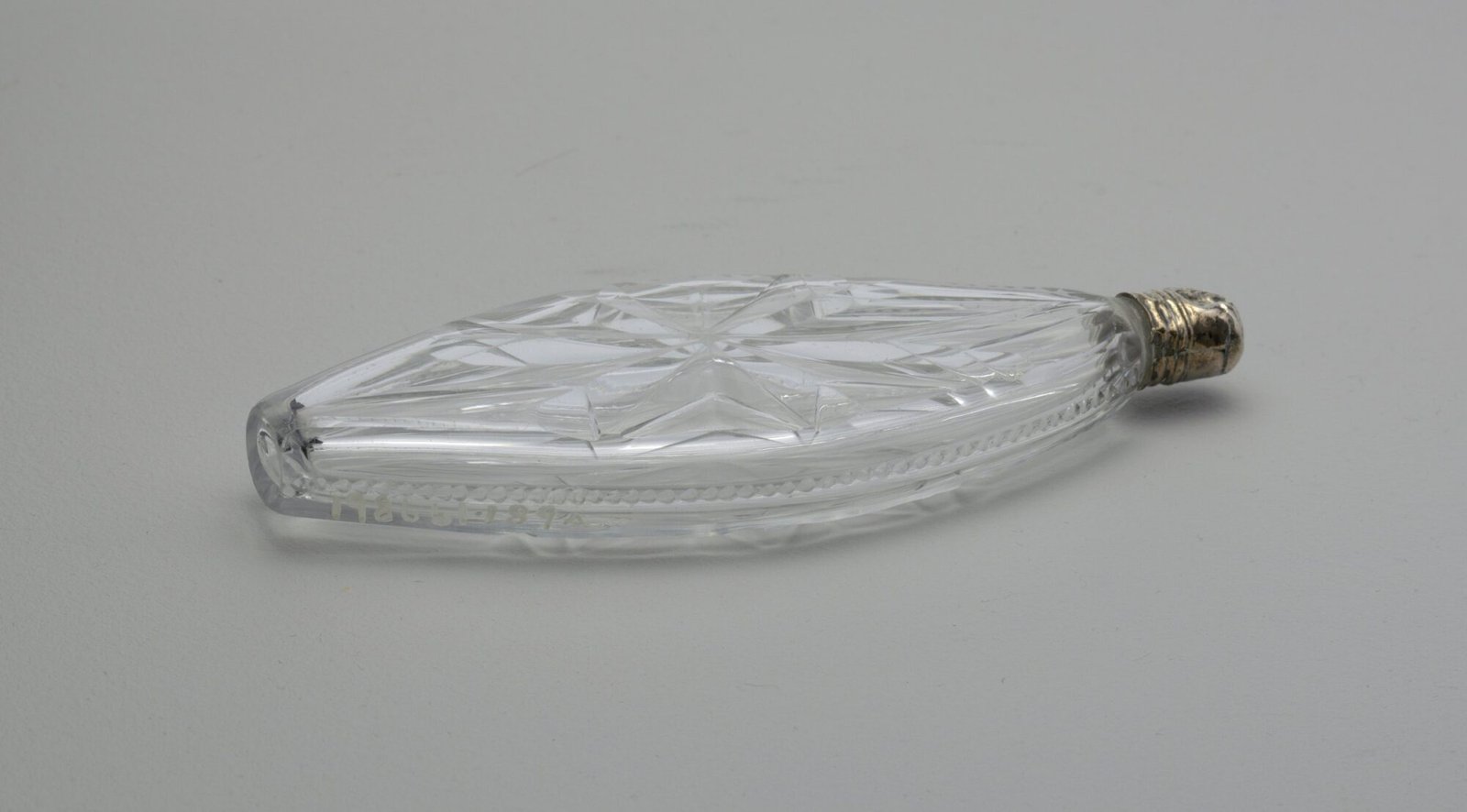
Most advice on how to make perfume last longer is really advice on how to wear it: where to spray, how much and what to leave alone. None of it is complicated. A fragrance is a mixture of materials that evaporate at different speeds, the lightest first and the heaviest last, and nearly everything you can do either slows that evaporation or gives the slower materials somewhere to settle.
Here is what helps, and what does not.
Where to spray perfume
Warmth carries a fragrance off the skin and into the air, so the usual advice is to spray where the skin is warm and where the scent will not be rubbed away. The base of the throat, the sides of the neck, behind the ears and the inside of the elbow all serve well.
The wrist is where most people reach first. It is also the part of us we wash most often, rest on desks and push in and out of sleeves, so a fragrance has a harder time there. One spray on the wrist is pleasant for your own benefit; the throat does more of the work.
Spray from about a hand’s length away, so the mist lands on you rather than on the air around you. Spraying a cloud and walking through it is a pretty piece of theatre, but most of the fragrance ends up on the carpet.
On clothes
Cloth holds a fragrance well, and often for longer than skin does: it is cooler than the body, so the scent evaporates more slowly. Wool and tweed are especially good at it, which is why a jacket can still smell of last Thursday. We wrote about choosing for that in Fragrance for Tweed Season.
Two cautions. Perfume is mostly alcohol carrying oils, and it can mark silk and pale fabrics, so try a hidden seam first, or spray the lining of a coat rather than the cloth itself. And a fragrance on cloth does not quite develop as it does on skin, without the warmth beneath it. Wear it on skin first, and let the coat hold a little extra.
In the hair
Hair holds scent and moves it about as you do. Because perfume is largely alcohol, it can be drying, so if you would like it there, spray a brush or comb and pass it through, rather than spraying the hair directly.
How many sprays of perfume is enough
Fewer than you might think. For an eau de parfum, two sprays is a sensible start for most people, perhaps three on a cold day spent out of doors and one for a small room or a strong composition. The test is whether the person standing beside you notices, not the person across the room. We have made the case for wearing less before, and it still stands.
For Racing Green, our green chypre, we suggest two sprays at the base of the throat, best on cool mornings, on wool and waxed cotton. That is the whole method in small: a little, in the right place, on the right cloth.
How to make perfume last longer on skin
Start with moisturised skin
Fragrance tends to fade faster on dry skin. Perfumers and fragrance houses widely recommend an unscented moisturiser first, and some people use a thin film of petroleum jelly for the same reason: it gives the oils in a perfume something to hold on to. The support for this is mostly long experience rather than careful trials, but it is easy to test for yourself, one arm against the other.
Choose a cream with no scent of its own. A scented lotion will only argue with the fragrance.
Apply after a bath or shower
Clean skin that has just been dried takes fragrance well, and it is the moment the moisturiser goes on in any case. Dress afterwards, once the alcohol has had a minute to evaporate, so the first wet spray does not go straight onto a collar.
Do not rub your wrists together
The familiar warning is that rubbing “crushes the molecules”. It does not: no amount of rubbing your wrists can break a molecule. The perfume writer Victoria Frolova tested the idea on Bois de Jasmin, spraying her forearm and wrists, rubbing her wrists together until the skin turned pink and leaving the forearm alone; the perfumers she asked to smell both could not tell any dramatic difference between them.
The most that rubbing might do is warm the skin and hurry the lightest notes along. So it does little harm, but there is no reason for it either. Spray, and leave it be.
What the fragrance itself decides
How long a fragrance lasts depends more on what it is made of than on anything you do. The materials that give a bright opening, citrus peel oils above all, are small and quick to evaporate; woods, resins, mosses and musks are heavier and slower. A cologne of lemon and neroli will never last like an amber, however carefully it is applied.
Concentration matters as well. An eau de parfum generally carries a larger share of perfume oils than an eau de toilette, though the exact figures vary from house to house and no rule fixes them.
So if you love a bright fragrance and it has gone by lunch, the kindest answer may simply be to carry it. A small atomiser in a coat pocket is an old and sensible habit.
When you can no longer smell it
Within a short while of putting a fragrance on, you will notice it less. That is your nose adjusting to a steady smell, not the fragrance disappearing, and it is why people so often spray again when they need not. The cells that detect a smell turn down their response the longer it stays the same, which leaves the nose free to notice something new.
A note on the bottle
A fragrance kept warm and in the light changes in the bottle, and its brightest notes are usually the first to suffer. Keep it somewhere cool and dark, a drawer rather than a sunny windowsill or the bathroom shelf, with the cap on.
If you would like to know which of our six would suit the way you dress and the hours you keep, The Consultation asks four questions and suggests two. Then wear a little, in the right place, and let the right people find out for themselves.