16 October 2026
What is a chypre? The fragrance family explained
A chypre sets bright citrus against a dark base of moss and resin. Here is where the family began, what it smells like and why it has had to change.
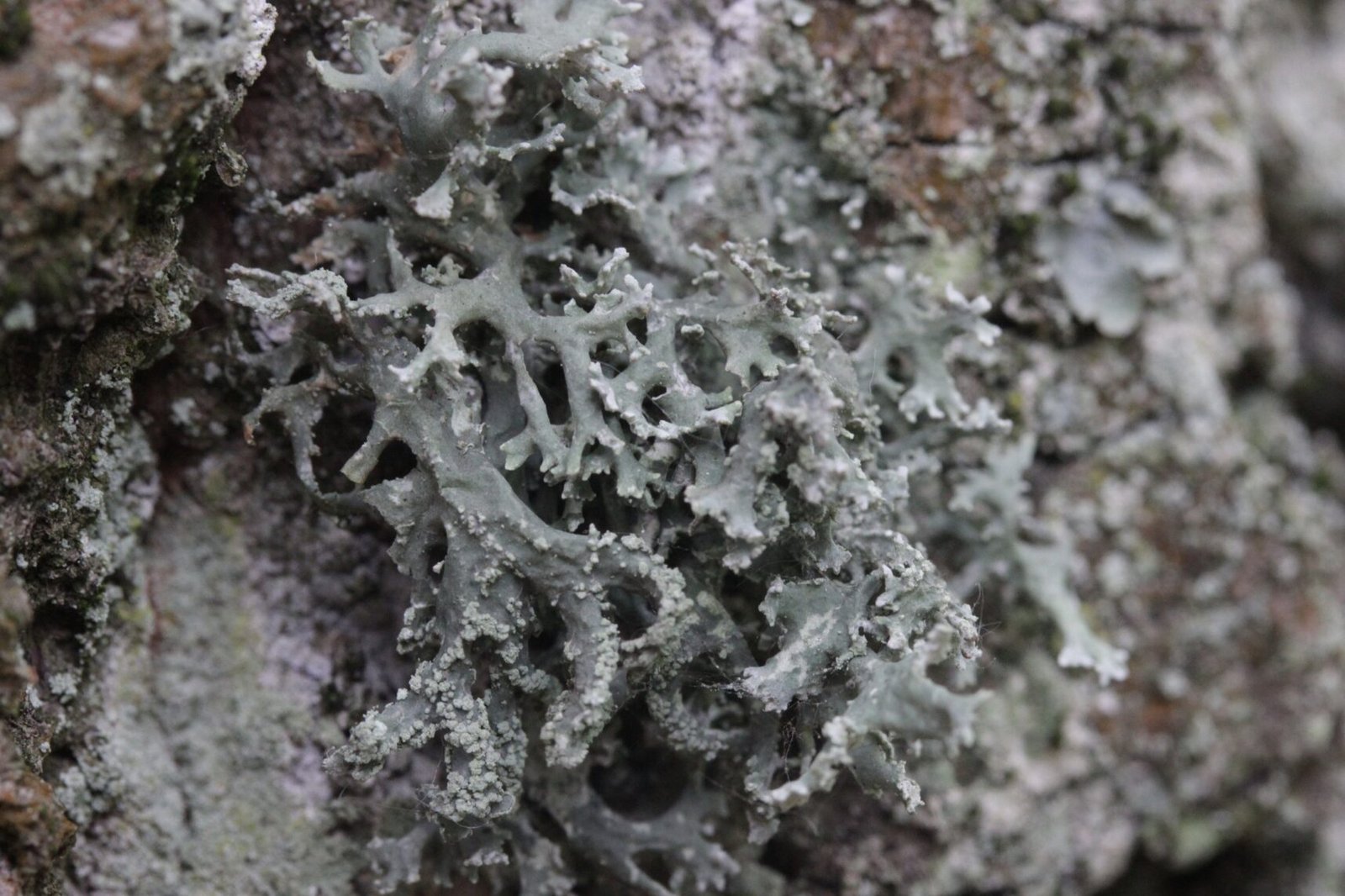
What is a chypre? It is one of the oldest families in perfumery, and one of the hardest to describe in a sentence. The short answer is a contrast: bright citrus at the top, set against a dark, dry base of moss and resin. The word is French for Cyprus, said roughly “sheepr”, and the family takes its name from a single perfume, François Coty’s Chypre of 1917.
It matters to us because our house signature, Racing Green, is one. So here is the family properly explained.
Where the name comes from
“Chypre” was a perfumer’s word long before Coty. Sources trace it to the sixteenth century, when a scented oakmoss powder was known as poudre de Chypre. In the nineteenth century several houses sold perfumes under the name: Guerlain had an Eau de Chypre by the middle of the century (sources give 1840 or about 1850), Roger et Gallet and Lubin followed in the 1890s and Guerlain made a Chypre de Paris in 1909.
What Coty did in 1917 was fix the structure. His Chypre built its character on three materials, bergamot, labdanum and oakmoss, and it was so widely admired and copied that his title became the name of everything that followed it. The perfume is no longer sold, but the Osmothèque in Versailles, the perfume conservatory that remakes lost perfumes from their original formulas, keeps it among the treasures it counts as having formed the bases of modern perfumery.
What is a chypre made of?
The classic chypre rests on three materials, each doing a different job.
- Bergamot at the top: the bright, slightly bitter citrus peel oil familiar from Earl Grey tea.
- Labdanum in the depths: a sticky brown resin from cistus, the rockrose shrubs of the Mediterranean, warm, ambery and faintly leathery.
- Oakmoss at the base: not a moss at all but a lichen, Evernia prunastri, which grows on oak and other trees. It smells of a wood after rain: green, a little bitter and older than it first seems.
Around those three, perfumers have usually set flowers, rose and jasmine above all, and often patchouli to deepen the base. The flowers give the heart; the moss and resin give the floor it stands on.
What does chypre smell like?
On the skin a chypre opens fresh and sharp, then grows drier, darker and more mossy as the citrus fades. The pleasure is in the tension between the two: the brightness never quite cancels the shadow, and the shadow never quite smothers the brightness. The citrus fades first simply because its materials evaporate fastest, which we explain, along with what it means for wearing a fragrance, in How to make perfume last longer.
People reach for words such as “elegant”, “grown-up” and “austere”. A chypre is rarely sweet. It has the manner of a well-cut coat in a sober cloth: it does not ask to be admired, and it rewards a second look.
Chypre perfume examples, and the family’s branches
Because the structure is so adaptable, the chypre has grown several branches. Different guides divide them differently, but these are the ones most often named.
Fruity chypres
Guerlain’s Mitsouko of 1919, made by Jacques Guerlain two years after Coty’s Chypre, laid a peach-skin note over the mossy accord, using a material, undecalactone, that was then new to perfumers. It has been made ever since.
Leather chypres
Bandit, made by Germaine Cellier for Robert Piguet in 1944, pushed the family towards leather, with an unusually heavy dose of a sharp, leathery material called isobutyl quinoline. It is among the first leather chypres.
Floral chypres
Here the rose and jasmine of the heart come forward, and the moss sits further back, more frame than floor.
Green chypres
A green chypre swaps some of the flowers for leaves and stems. The material that usually defines it is galbanum, a gum resin from tall plants of the carrot family that grow wild in Iran and nearby countries. Galbanum is old: it is listed among the ingredients of the holy incense in the Book of Exodus. In a fragrance it is intensely green and bitter, the smell of a snapped stem, and it gives a chypre a cold, bright edge.
Racing Green is our green chypre. Galbanum, bergamot and cut grass open it; violet leaf, vetiver and clary sage form the heart; and saddle leather, oakmoss and cedarwood make the base. The memory behind it is the paddock at first light.
How chypres are classified
The Société Française des Parfumeurs, the French perfumers’ society, has counted the chypre among its main families since its first edition in 1984, alongside florals, fougères, ambers and leathers; woods and citrus followed in 1990. Michael Edwards’ widely used fragrance wheel files many chypres under “Mossy Woods” and others under the woody and floral ambers, which says something about how loosely the family can be drawn.
Chypre vs fougère
The two are often confused, because both lean on oakmoss. A fougère, French for fern, is built on lavender and coumarin, a sweet, hay-like material, over the moss; the family began with Houbigant’s Fougère Royale in 1882 (the Osmothèque gives 1884). A chypre has no lavender at its centre, and its contrast is citrus against moss and resin rather than lavender against hay.
Oakmoss, and the modern chypre
Oakmoss has had to change. Two substances found naturally in it, atranol and chloroatranol, are known skin allergens. EU Regulation 2017/1410, which remains part of the cosmetics rules in Great Britain, banned both from cosmetic products: since 23 August 2019 no product containing them may be placed on the market, and since 23 August 2021 none may be sold at all. The fragrance industry’s own standard, set by IFRA, restricts oakmoss as well: in a fine fragrance, oakmoss extract may make up no more than 0.1 per cent of the finished product. There is more on the material itself in our note on oakmoss.
Perfumers still use oakmoss extracts treated to remove most of those two substances, and they have learned to build the chypre’s shadow from other materials, patchouli and woods among them. Many classic chypres were reformulated along the way, so a bottle bought today may differ from one bought thirty years ago. The structure has survived: brightness above, darkness below and the quarrel between them.
If you would like to see where a chypre sits among our six, The Fragrances shows each of them by family, and each fragrance’s own page gives its notes. And if Racing Green sounds like your sort of morning, register free for a founding place; it commits you to nothing.