2 November 2026
Old money perfume: what does old money smell like?
Old money perfume is less a smell than a manner: restraint, lived-in materials, and a fragrance worn close enough that only the right people notice.
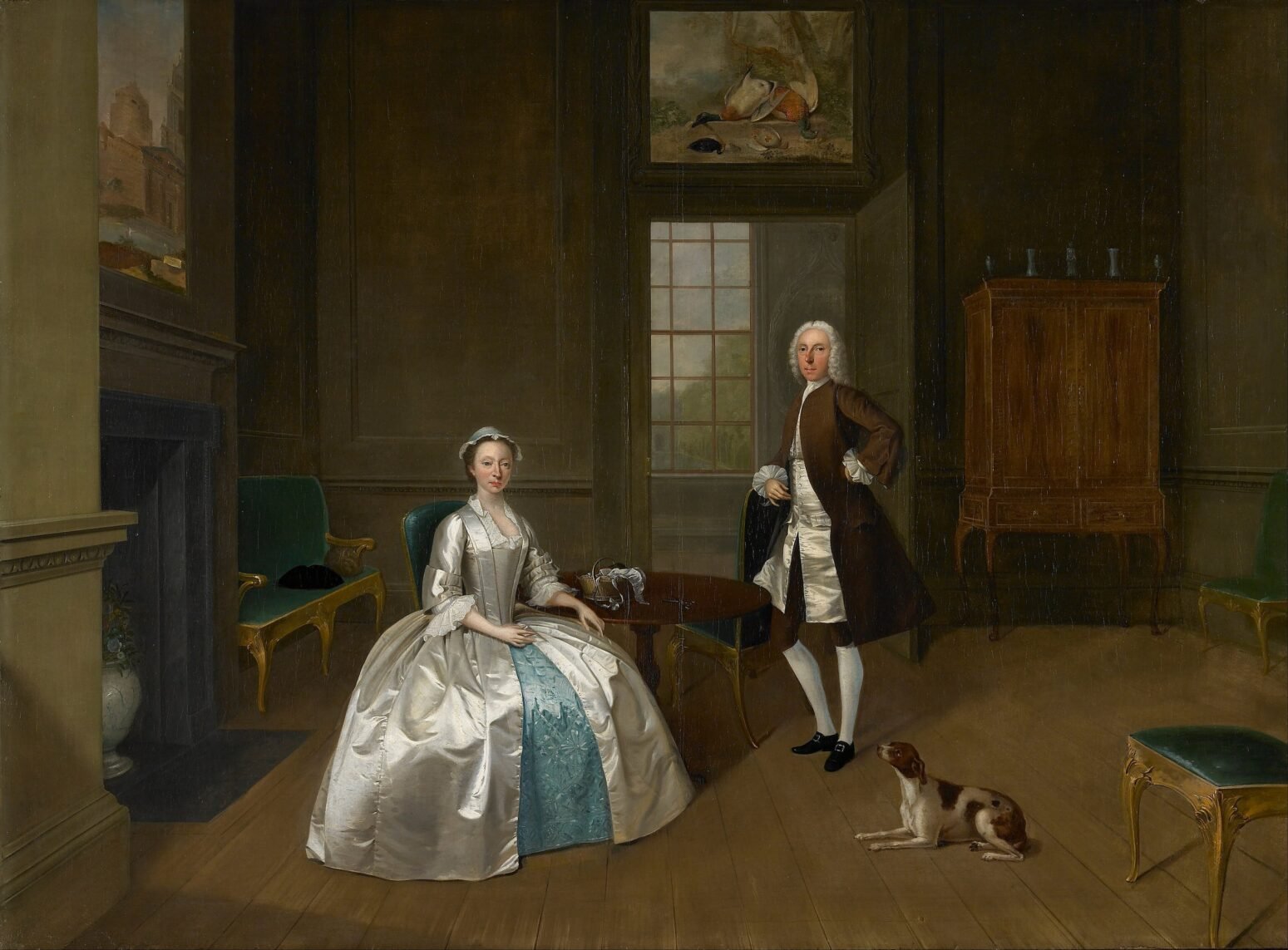
“Old money perfume” is a phrase a great many people now type into a search bar, and most of the answers they find are lists of bottles. That rather misses the point. Old money, in the sense people mean, is not a smell you can buy. It is a manner: a way of choosing a few good things, wearing them for years and never asking anyone to notice. A fragrance can belong to that manner. It cannot stand in for it.
What people mean by old money perfume
The phrase arrived with a broader taste for clothes without logos, cloth that lasts and houses whose best rooms have not been redecorated in fifty years. The fashion pages call it “quiet luxury”; we would just call it good manners in material form. When people ask for an old money perfume, they are usually asking for three things, whether or not they put it that way.
- A scent that does not announce itself across a room.
- A scent that smells of familiar things: wood, leather, moss and cloth.
- A scent that seems to have been worn for years, by someone who stopped thinking about it long ago.
None of that depends on price, or on a name on the bottle. It depends on choice and on habit.
Restraint: worn close, never announced
One of the most telling things about a fragrance is how far it travels. A good fragrance, like a good coat, should be noticed by the person standing beside you and by nobody else.
Restraint is partly a matter of the composition and mostly a matter of the wearer. Two sprays, not six. On skin, at the throat or the wrist, rather than in a cloud walked through on the way out. If the jacket is older than you are, a little restraint is only polite.
Why less reads as confidence
There is a reason the most beautiful house on the lane is usually the one with the plainest gate. Things that do not need to persuade you tend not to try. A fragrance that is discovered rather than announced says something similar: that the wearer chose it for themselves, and is not much concerned whether anyone else approves.
Lived-in materials
If old money has a smell, it is the smell of things that have been used well for a long time. Saddle soap on a bridle. Beeswax on an oak table. A fire allowed to burn low in a panelled room. The tweed of a jacket that has been rained on at a dozen point-to-points and dried by a dozen fires.
Cloth, leather and wood
The materials that carry this feeling are the ones that age rather than wear out. A Savile Row bespoke suit, by the Savile Row Bespoke Association’s own account, takes an average of fifty hours of work and three fittings, and is cut for one person alone. Harris Tweed is woven by hand, in islanders’ own homes in the Outer Hebrides. A good pair of shoes is resoled rather than replaced. Each of these improves with use, and each will hold a fragrance.
That last point matters. Fragrance tends to last longer on wool and tweed than on skin, which is why the scent of a person so often lives in their coat. Choose a fragrance you would be glad to meet again on Thursday.
What does old money smell like, then?
Not one thing, but there is a family resemblance. Much of it comes from the classic styles of perfume: compositions built on moss, wood, leather and green notes, with a little citrus at the start and very little sweetness at the end.
- Green and mossy: galbanum, vetiver and oakmoss, the smell of a garden or a wood after rain.
- Dry and woody: cedar, orris and a little tobacco leaf, the smell of a quiet room in the evening.
- Soft leather: suede, saddle leather and hay, the smell of care and use rather than of a new handbag.
- Clean and fresh: bergamot, fig leaf and linen, the smell of a pressed shirt in summer.
What these have in common is that they smell of somewhere rather than of something. They suggest a place and a habit of life. That is what people are reaching for when they ask what old money smells like.
What it does not smell like
Fashions in fragrance come and go, and there is room in the world for every kind. But the scents people describe as old money are seldom very sweet, very loud or very new. They tend to be dry, composed and a little reserved, the way a well-run house is.
Two of ours, if you are curious
We did not set out to make old money perfume, and we would not describe anything of ours that way. But the House was founded on the idea that the finest things are rarely the loudest, and two of our fragrances sit very close to what people mean.
Racing Green is a green chypre and the house signature: galbanum, bergamot and cut grass, then violet leaf, vetiver and clary sage, drying down to saddle leather, oakmoss and cedarwood. Worn close to the skin, it asks for nothing.
The Library is a woody amber for long evenings and short sentences. A spark of pink pepper and cardamom, then tobacco leaf, papyrus and orris, over Virginia cedar, labdanum and benzoin. Its memory is the library after dinner: panelled walls, and a fire allowed to burn low. It grows warmer and closer as the evening goes on.
The other four, from the leather of Saddle Room to the peat smoke of Highland, are on the fragrances page, each with its notes and the memory it began with. If you are going to the races this autumn, our note on the English social season has the rest of the calendar.
Old money perfume is about the wearer
No fragrance will make anyone look like anything. What it can do is suit the life you already have: the coat you have worn for ten winters, the room you sit in after dinner, the walk you take on Sunday whatever the weather. Choose the one that belongs there, wear a little less of it than you think and keep wearing it for years. That is the whole secret, and it is not much of one.
If you would like help choosing, take the Consultation. Four questions, about a room, an hour, a cloth and what you would rather be remembered for, and the House will suggest two.